
What Is Home?
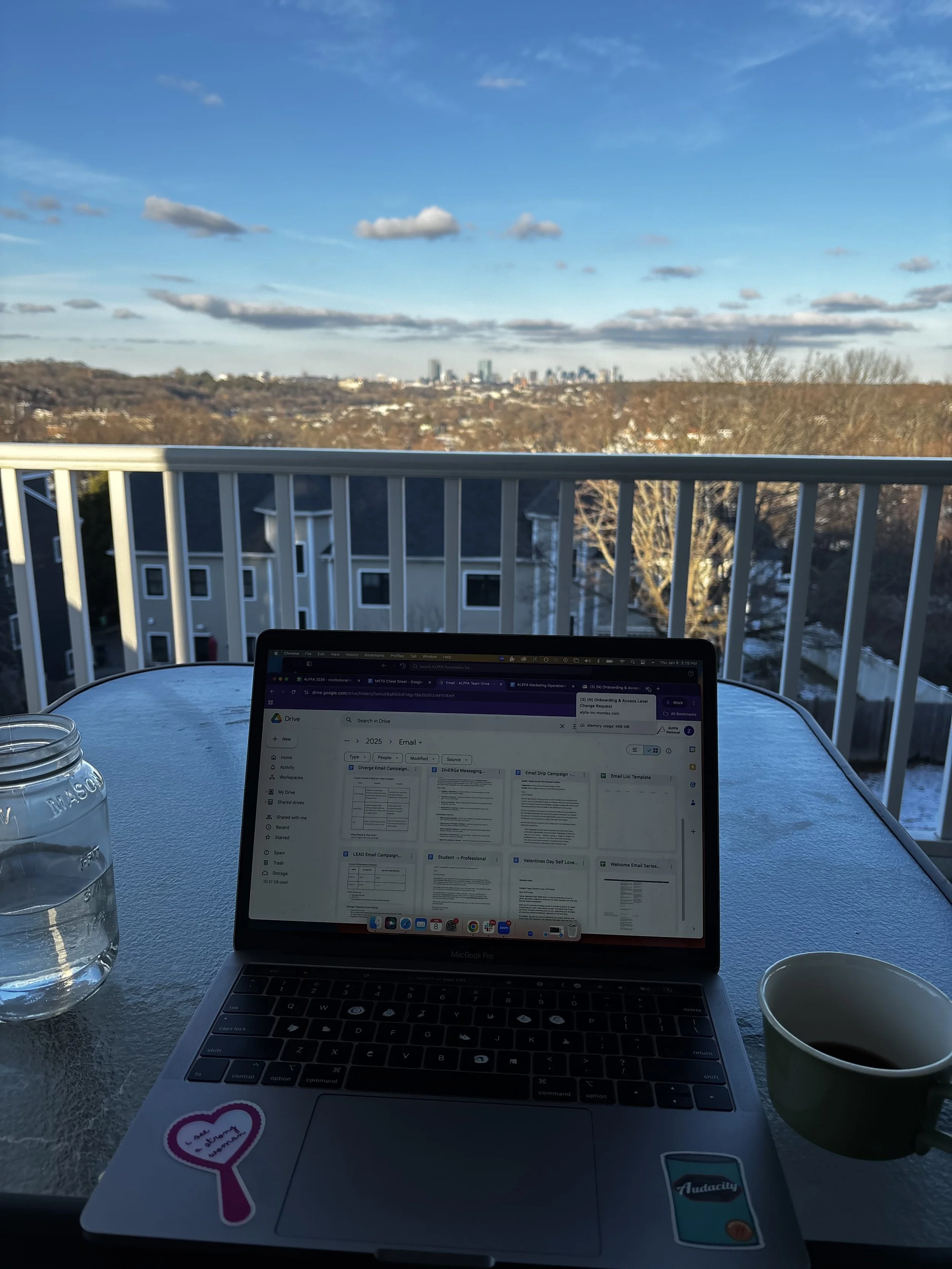
I've been thinking about what home means. Wrote this to process it.
People are losing home.
Not metaphorically. Actually losing it. To evictions, to climate disasters, to borders closing, to violence that makes familiar streets unrecognizable. In America right now, people are watching the ground shift under what they thought was solid—communities fracturing, institutions failing, the promise of security revealing itself as conditional, temporary, or never real to begin with.
And when you can't trust the ground, you start searching elsewhere.
Some people find home in a person. In romantic love, in chosen family, in the idea that if you can't have a place, at least you can have someone. I watched a movie this past weekend where a woman left her small town to see the world, only to realize years later that home wasn't the adventure or the freedom she conquered—it was her best friend and love of her life, Alex. The one person who made everywhere else feel like nowhere.
Some people find home in faith. In church this weekend, the message was about home being found in Jesus—about salvation not as a place you go but as a belonging you accept. The idea that when the world is unstable, there's still something eternal to anchor to. A home that can't be taken away.
Some people are building a home alone, the way I did for five years. Making it a practice of self-sufficiency. A place you create and maintain entirely on your own terms because that's the only kind of home that feels controllable.
But here's what I'm learning: none of these answers feel complete either.
——————
The realization came on a random January afternoon in Boston. It was 43 degrees—essentially spring in New England—and I took my second coffee out onto the porch. The air was open, quiet in that winter way where everything feels paused but alive. I stood there looking over the city, feeling deeply grateful for something I hadn't had in years: physical space. Space to breathe. Space that was mine to occupy.
What unsettled me wasn't the moment itself, but the fact that six weeks earlier, this wasn't my home at all.
For five years before that, I had built my own home. I paid the bills, took out the trash, shoveled snow, bought groceries even when I was sick, made soup for myself even when I could barely stand. I learned that strength was both freedom and responsibility. That home was something I manufactured alone because no one else was going to do it for me.
I grew up moving—countries, cities, schools. I learned early how to detach quickly, and I still do. Detachment became survival. A way to protect myself from loss before it arrived. Home was always temporary by default, and stability felt like something I had to create on my own.
So I did.
And in some ways, that home softened me. It showed me what I was capable of. But it also required me to stay alert. Always prepared. Always strong. Always ready for the next move, the next instability, the next moment when the ground might shift again.
Then I moved back in with my family.
And something I hadn't felt in years surfaced: relief.
Hearing my name called casually from another room. Hearing that dinner was ready on a random Tuesday evening. Being cared for without having to ask. Without having to earn it. Without having to stay strong.
What surprised me most was how natural it felt.
There was no discomfort in being held again. No guilt in asking for help. Just relief. In that relief, I realized how much energy I had spent staying vigilant—staying braced for instability, for change, for the reality that home could disappear at any moment.
But here's the uncomfortable part: that relief also scared me.
Because if home is something I receive, then it can be taken away. If home is interdependence, then it requires trust, and trust has always felt like a risk I couldn't afford. The home I built alone was exhausting, but it was mine. No one could evict me from my own self-sufficiency.
Yet, I can't go back to that now. Not fully. Because I've felt what it's like to not carry everything alone, and I can't unsee it.
——————
So what is home, really?
The movie says it's a person. That if you find the right one, you're found too. But I've watched people lose themselves trying to make another human being their entire foundation. I've seen what happens when you build a home in someone else and they leave, or change, or turn out to be as unstable as the ground you were fleeing.
The sermon says it's faith. That home is transcendent, eternal, something the world can't touch. Maybe the only real home is the one that exists beyond material conditions, beyond people, beyond place. But even faith requires trust, and trust requires letting go of control, and I'm currently still in the process of learning how to do that.
My own experience says home is something I build and receive simultaneously. That it's both independence and interdependence. But that answer feels too convenient because the truth is, I don't know how to hold both. I don't know how to rest without feeling like I'm risking everything. I don't know how to trust that the relief will last.
Listen, I don't have an answer.
What I do know is this: I'm tired of staying alert. I'm tired of detachment as survival. I'm tired of treating rest like a luxury I can't afford and care like a risk I shouldn't take.
And I think I'm not alone in that.
Maybe the question isn't "What is home?" but "What do we do when we can't find it?" Maybe asking that question together is the closest thing to an answer we have.